


Wondering what nematodes are, how they work or which type you need for your garden?
Beneficial nematodes are microscopic worms that help control a wide range of common garden pests naturally. From slugs damaging your vegetables to leatherjackets feeding on lawn roots, choosing the right nematodes can help protect your plants and reduce the need for conventional chemical pest treatments.
In this guide, you'll discover what beneficial nematodes are, which pests they target, when to apply them and how to get the best results.
Looking for a natural pest treatment? Explore our Nematodes collection to find the right treatment for your garden.
What Are Nematodes?
Nematodes are microscopic, worm-like organisms found naturally in soil, water and other environments. There are many different species, some of which can damage plants, while others are beneficial.
Beneficial nematodes used for pest control target particular insects, larvae and other garden pests. They provide a biological way to manage infestations, helping gardeners protect plants without relying on conventional chemical pesticides.
They are especially useful against pests that live beneath the soil, where they can be difficult to spot or remove by hand.
How Do Beneficial Nematodes Work?
Most beneficial nematodes used for insect control actively search for susceptible pests. They enter the pest and release naturally associated bacteria, causing it to stop feeding and die.
Slug nematodes work differently, using a species suited to controlling susceptible slugs. Ant nematodes are used to encourage ants to move away from treated nesting areas.
The important thing is choosing the right nematodes for the pest. Different treatments are designed for different problems, and one type will not control every garden pest.
Which Nematodes Do I Need for My Garden?
Gardening Naturally offers a wide range of beneficial nematode treatments for lawns, vegetables, fruit trees, houseplants and ornamental gardens.
Use the guide below to identify the treatment suited to your pest problem.
Nematodes for Slugs and Snails
Slug nematodes help control susceptible slugs living in the soil. They are particularly useful for protecting seedlings, lettuce, strawberries and other vulnerable plants from feeding damage.
Benefit: Reduce slug damage and help prevent the frustration and cost of replacing young plants.
Juvenile snail nematodes are designed to target susceptible young snails. They are a separate treatment from standard slug nematodes.
Benefit: Help reduce damage from young snails before they mature and continue feeding on garden plants.
Nematodes for Lawn Pests
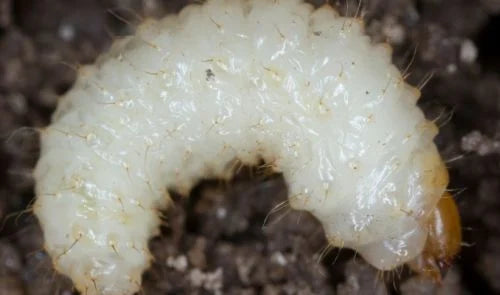
Leatherjacket nematodes target crane fly larvae that feed on grass roots. Leatherjacket damage can leave lawns thin, patchy and weakened.
Benefit: Help protect grass roots and reduce further damage, giving your lawn a better chance of maintaining healthy growth.
Chafer grub nematodes target susceptible chafer grubs feeding beneath the lawn.
Benefit: Reduce root damage that can cause yellowing, loose turf and bare patches.
For both treatments, correct timing is particularly important. Apply when the larvae are at a susceptible stage and soil temperatures meet the product requirements.
Nematodes for Vine Weevils and Root Pests
Vine weevil nematodes target vine weevil larvae in the soil and compost. These larvae feed on plant roots and can seriously damage container plants, shrubs and ornamentals.
Benefit: Protect roots from hidden feeding damage and help prevent otherwise healthy-looking plants from suddenly wilting or collapsing.
Wireworm nematodes are designed for use against susceptible wireworms, which can damage roots and underground crops.
Benefit: Help protect vegetables and other vulnerable plants from feeding damage below ground.
Nematodes for Vegetables and Young Plants
Cutworm nematodes target susceptible cutworms, which can sever young plant stems near soil level.
Benefit: Help protect seedlings and reduce the need to replant damaged crops.
Natural fruit and vegetable mix nematodes provide a treatment option for the pests specified on the product packaging in fruit and vegetable growing areas.
Benefit: Make it easier to manage the listed pests while protecting crops you have spent time growing.
Always check which pests are covered by a mixed nematode treatment before applying it.
Nematodes for Fruit Trees
Codling moth nematodes target susceptible codling moth larvae associated with apple and pear trees.
Benefit: Help reduce the pest population and protect future fruit crops from damage.
Codling moth nematodes need to be applied at the appropriate stage of the pest's life cycle, following the product instructions.
Nematodes for Box Tree Caterpillars
Box tree caterpillar nematodes are designed to control susceptible box tree moth caterpillars.
These caterpillars can rapidly strip foliage from box hedges and topiary.
Benefit: Help limit feeding damage and protect the appearance of established box plants.
Unlike many soil-applied nematode treatments, box tree caterpillar nematodes require application to the affected foliage according to the product instructions.
Nematodes for Fungus Gnats and Sciarid Flies
Fungus gnats, also known as sciarid flies, are small flying insects commonly found around houseplants, seed trays and greenhouse growing media. Their larvae live in moist compost and may damage vulnerable roots.
Gardening Naturally offers both fungus gnat nematodes and sciarid fly nematodes.
Benefit: Target larvae in the growing media to help protect young roots and reduce the number of adult flies emerging.
Nematodes for Thrips
Thrips nematodes are used against susceptible stages of thrips, which can damage flowers, leaves and greenhouse crops.
Benefit: Help reduce pest pressure and protect vulnerable plant growth as part of a suitable treatment programme.
Nematodes for House Flies and Compost Flies
House fly nematodes target susceptible fly larvae in suitable breeding areas.
Benefit: Help manage flies at the larval stage rather than relying only on dealing with adult flies.
Compost fly nematodes are intended for susceptible fly larvae in appropriate compost or growing environments.
Benefit: Help reduce nuisance fly problems by treating larvae where they develop.
Nematodes for Ants
Ant nematodes are used around suitable ant nesting areas. Rather than directly eliminating an entire colony, the treatment is intended to encourage ants to move away from the treated location.
Benefit: Help discourage unwanted ant activity in lawns, garden beds and other suitable outdoor areas.
When Is the Best Time to Apply Nematodes?
The best time to apply nematodes depends on the species, the pest you are treating and the soil or growing conditions.
Many beneficial nematodes require moist soil and suitable temperatures to remain active. Some products work in cooler conditions, while others need warmer soil.
For lawn pests such as leatherjackets and chafer grubs, treatment is usually most effective when the larvae are young and vulnerable.
For slugs and other garden pests, repeat treatments may be recommended during periods of activity.
For the best results: Check the application temperature, pest life cycle and recommended treatment period on your product instructions before ordering or applying nematodes.
How Do I Apply Nematodes?
Most soil-applied beneficial nematodes are mixed with water and applied using a watering can with a suitable coarse rose or a compatible hose-end applicator.
Step-by-Step Guide to Applying Nematodes
- Identify the pest. Make sure you have the correct nematodes for the problem.
- Water the area. Moisten dry soil before application.
- Prepare the treatment. Mix the nematodes with water according to the pack instructions.
- Apply evenly. Cover the recommended area, preferably away from strong sunlight.
- Water afterwards. Follow the product guidance to help the nematodes reach their target area.
- Maintain moisture. Keep the treated area suitably moist for the recommended period.
Some treatments, including those for certain caterpillars or thrips, may require different application methods. Always follow the instructions supplied with the specific product.
How Long Do Nematodes Live and Keep Working?
Beneficial nematodes are living organisms. How long they survive after application depends on moisture, temperature, the nematode species and whether suitable hosts are available.
Some treatments recommend another application after approximately six weeks, but the effective treatment period varies by product.
Following the recommended application schedule helps maintain control when pests remain active.
How Should I Store Nematodes Before Use?
Most fresh beneficial nematode products need to be kept refrigerated until application.
Do not freeze them or expose them to high temperatures. Some products can be stored for around two to four weeks, depending on their expiry date and storage requirements.
Always check the packaging, as storage instructions and shelf life can vary between formulations.
Why does storage matter? Nematodes are living organisms, so correct storage helps maintain their viability and gives the treatment the best chance of working.
Are Beneficial Nematodes Safe for Plants, Children, Pets and Wildlife?
Beneficial nematodes selected for garden pest control are generally suitable for use around plants, children, pets and wildlife when used according to their product instructions.
They target particular pests rather than acting as broad-spectrum chemical pesticides.
Always read the product label and follow any safety or handling precautions.
Frequently Asked Questions About Nematodes
Can I Use Nematodes Around Flowers, Shrubs, Fruit and Vegetables?
Yes, suitable nematode products can be used around many established plants and edible crops. Check that the treatment is approved or recommended for your intended growing area.
Can I Eat Vegetables After Applying Nematodes?
Produce grown in areas treated with garden nematodes can generally be eaten as normal. Fruit and Vegetables shold always be washed before eating.
Can I Apply Nematodes Through Landscape Fabric?
No
Can I Apply Lawn Feed After Nematodes?
Check the instructions for both products. Gardening Naturally's existing guidance recommends leaving two weeks between applying nematodes and liquid lawn feed.
When Can I Cut My Lawn After Applying Nematodes?
Allow a couple of days after application before mowing, where practical, to avoid disturbing the treated area immediately.
Do I Need to Apply Nematodes More Than Once?
Some pest problems require repeat applications because new pests can emerge over time.
Do Nematodes Kill Every Garden Pest?
No. Beneficial nematodes are pest-specific, and different products target different species or life stages.
Correct pest identification is important for choosing an effective treatment.
How Do I Order Nematodes from Gardening Naturally?
Ordering nematodes is straightforward:
- Identify the pest you need to control.
- Choose the appropriate nematode product and coverage.
- Select the available delivery date or treatment schedule on the product page.
- Add the product to your basket and complete your order.
Where available, you can arrange additional deliveries for repeat applications.
Each pack includes instructions to help you apply the treatment correctly.